Published
The lawyers who handle these files
 Sundeep S. GrewalBarrister and Solicitor
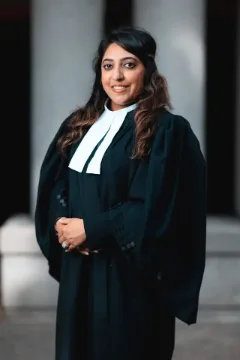 Prabhpreet Kaur SanghaBarrister and Solicitor
 Pardeep S. GrewalBarrister and Solicitor
About our lawyers
Sundeep S. Grewal founded Lawgical Law Corporation and argues immigration cases at the Immigration and Refugee Board and the Federal Court of Canada.
Prabhpreet Kaur Sangha focuses on refugee claims, immigration appeals, inadmissibility, detention reviews and Federal Court cases, and has presented at Continuing Legal Education seminars and the National Immigration Conference.
Pardeep S. Grewal is an immigration and estates lawyer known for clear communication and practical strategy.
The process of spousal sponsorship in Canada can be complex and emotional, especially if the relationship between the sponsor and the sponsored spouse ends in divorce or separation. While spousal sponsorship is intended to be a commitment to support and provide for the sponsored spouse, the breakdown of the relationship can have a significant impact on the sponsorship undertaking.
Lawgical Law Corporation, an immigration law firm in Surrey, Abbotsford and Vancouver, BC, prepares spousal and family sponsorship applications and represents sponsors in refusals and appeals to the Immigration Appeal Division.
If a sponsor and sponsored spouse separate or divorce before the sponsored spouse obtains permanent residency, the sponsor’s undertaking to provide financial support may still be in effect. The sponsor is responsible for fulfilling their sponsorship obligations, including providing basic needs such as shelter, clothing, and food for the sponsored spouse, for up to three years after they become a permanent resident.
Once the sponsored spouse is a permanent resident, a separation does not take away that status, and the sponsor’s undertaking continues for its full term.
In cases where a relationship breakdown occurs before the sponsored spouse obtains permanent residency, the sponsor may be able to withdraw their sponsorship. However, if the sponsored spouse has already become a permanent resident, the sponsor’s obligations cannot be withdrawn. In such cases, the sponsor may be required to repay any social assistance or benefits received by the sponsored spouse.
It is important to note that separation or divorce alone does not necessarily mean the end of the sponsorship undertaking. The sponsor and sponsored spouse must inform Immigration, Refugees and Citizenship Canada (IRCC) of any changes to their relationship status as soon as possible.
In some cases, a sponsored spouse may be eligible for humanitarian and compassionate (H&C) consideration, which is a discretionary application process that allows individuals to request an exemption from certain immigration requirements. An H&C application can be made if the sponsored spouse can demonstrate that they would experience unusual and undeserved or disproportionate hardship if they were required to leave Canada.
In conclusion, navigating the spousal sponsorship process in Canada can be complicated, especially in cases where the relationship between the sponsor and sponsored spouse breaks down. It is important to consult with a spousal sponsorship lawyer who can guide you through the process and help you understand your rights and obligations under Canadian immigration law.